What a General Contractor Does for Home Improvement Projects

What’s a General Contractor?

Collaboration From Mayer Plumbing

If you have a home improvement project on the horizon, then there’s a good chance you’ll need to hire a contractor—or a few. This is because for each home improvement project, there are usually a few different elements that require different specialties. For example, if you’re remodeling your kitchen, you may need to hire a counter guy, a plumber, and a painter. But isn’t there some kind of all-in-one contractor who can tackle it all so you only have to vet and hire one contractor? You’re probably thinking about a general contractor (GC). Let’s discuss what a general contractor is and their role during home improvement projects.

General contractors are responsible for managing virtually all aspects of renovation projects. One of the large tasks that a general contractor is responsible for is sourcing and coordinating subcontractors, who are typically specialists in specific fields of construction and building (like painting, landscaping, or plumbing). But there’s so much more that they do.

A general contractor’s duties include:

  • Getting the proper permits to ensure that all work complies with local laws and regulations
  • Providing the necessary materials, equipment, and labor for projects
  • Estimating costs, controlling project expenses, and managing timelines
  • Hiring and overseeing the work of subcontractors with specialized skills
  • Monitoring conditions and practices on the worksite to keep everyone safe
  • Maintaining worker’s comp and liability insurance
  • Keeping the work site secure at all times and organizing the removal of trash and debris
  • Ensuring that necessary inspections are completed

Not only do GCs have a lot to do but they also have a lot of responsibility on their shoulders. In fact, they assume responsibility for just about anything that might go wrong on a project. Everything from noncompliance with building codes to property damages and worker injuries. Simply put, if something goes south, it’s the GC’s job to resolve it.

Both by managing projects and handling any issues that arise, general contractors save time and stress for homeowners—and also for real estate agents who are helping their clients prepare their homes to sell.

Beyond their job duties as a project manager, what can general contractors do? GCs can provide services for a variety of project types. Let’s take a look at some.

What does a general contractor do?

Among other construction and building projects, general contractors (with the help of their network of subcontractors) can:

  • Repair or install flooring
  • Repair a home’s foundation, electrical, plumbing, etc.
  • Remodel bathrooms, kitchens, and other rooms
  • Take care of room additions or change the layout of your home
  • Repave driveways and walkways
  • Repair damage from pests and water
  • Install fencing
  • Add or repair decks and patios
  • Repair or replace roofing

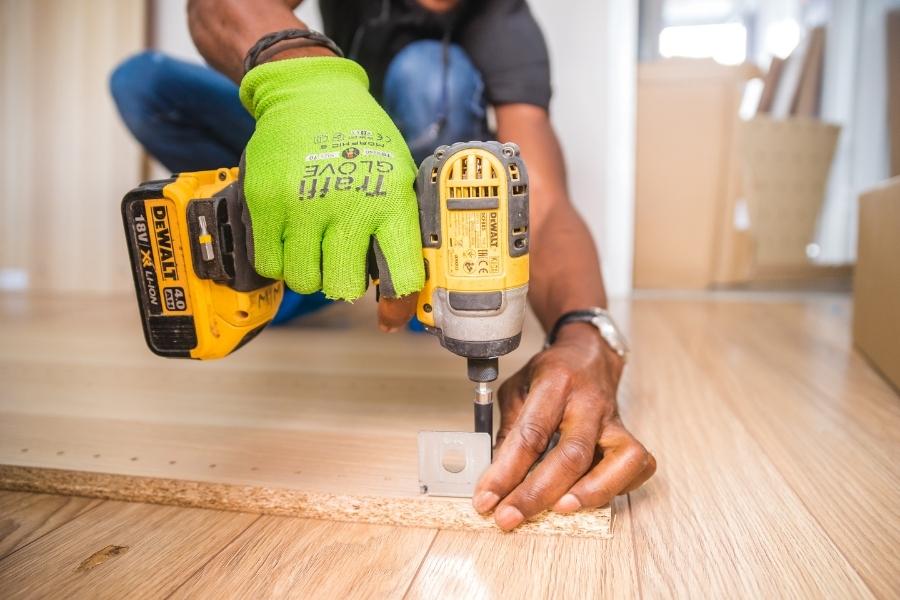
It’s worth noting that many of these tasks go beyond what your friendly, neighborhood handyman would be able to help with. But how do you know which projects warrant a general contractor?
When to hire a general contractor

GCs are equipped to help with complex projects that require several contractors with specific skill sets. They make sure that the appropriate subcontractors are brought onto your project at the right time and perform the work properly to adhere to safety and quality standards.

So, for example, let’s say that you wanted to knock down a wall to create a large, luxurious master suite. That would be a job for a general contractor since it usually requires a permit and several subcontractors to complete.

Generally speaking, the more complex the project, the more you’ll want to consider hiring a general contractor for safety and peace-of-mind.
5 Ways to Provide the Best Plumber Customer Service

Providing excellent plumber customer service is one of the most important aspects of your business that you can control.

Since a plumbing emergency can occur at any time, without prompt attention, subpar customer service can cause severe damage to properties and disrupt daily operations. Therefore, it is essential to have reliable plumbers who can provide the best plumber customer service.

You’ll discover how to cultivate top plumber customer service in your business and:

  • Gain repeat business with a positive reputation
  • Attract more referrals and great reviews
  • Win more customers to get ahead of the competition

1. Make the Best First Impression

When customers call for plumbing services, they want to feel confident they are dealing with a professional business who can address their needs promptly and efficiently. The first impression customers have of your business is critical because it sets the tone for the entire plumber customer experience.

If customers have a positive experience, they are more likely to recommend your business to others, which can help you grow your customer base.

Excellent plumber customer service starts with a friendly and professional phone interaction. A polite and empathetic team can make customers feel heard and valued. They can assess the urgency of the issue and schedule a prompt appointment.

Take a look at a few of the top ways you can cultivate the best plumber customer service:

  • Give first-time customers your best 110% of your best efforts
  • Provide a professional, uniform appearance with a clean company truck
  • Properly maintain your website and social media presence to establish online presence

2. Establish Trust and Reliability With Customers

Trust and reliability are two crucial components of any successful plumbing business. When customers invite a plumber into their homes or businesses, they need to feel confident that the plumber has the necessary skills and knowledge to fix the issue correctly.

Customers also need to trust that the plumber will be honest and transparent about the work that needs to be done as well as the associated costs.

However, building trust and reliability requires consistent, transparent communication by:

  • Explaining the issue and necessary steps in simple, understandable terms
  • Providing a detailed estimate of the work with transparency about any potential additional costs
  • Being upfront about the costs and timelines to help customers feel more comfortable and confidence in your business

3. Repeat Business and Referrals

Excellent plumber customer service can lead to repeat business and referrals, which are vital to the success of any business.

When customers are satisfied with their experience, they are more likely to call the same plumber the next time they have an issue. They may also recommend the plumber to friends and family who need plumbing services.

However, building a strong customer base requires consistent, exceptional customer service. Plumbers who go above and beyond to address their customers’ needs can create a positive reputation that builds a loyal following.

In addition, implementing a referral offer can further compel customers to choose your business over others.

4. Create a Positive Reputation to Get Great Reviews

In today’s digital age, online reviews can make or break a business.

Potential customers rely on online reviews to make informed decisions about which plumber to hire. Therefore, having positive reviews and a great reputation is critical in attracting new customers to build a successful business.

Providing excellent plumber customer service is one of the best ways to generate positive reviews that help to create a great reputation. After all, customers who are happy with their experience are more likely to leave positive feedback and recommend your services to others.

However, even the best businesses will occasionally get negative reviews. One of the best ways to mitigate the negative impact of these reviews is by providing the right response.

By responding to negative reviews in a polite and professional manner, you help mitigate any damage to show potential customers your business takes customer satisfaction seriously.

Respond quickly, professionally and empathetically by asking them how you can resolve their issue. Though, keep in mind, it’s important to try to take the conversation offline as soon as possible to avoid a public confrontation.

5. Gain a Competitive Advantage

Plumbing is a competitive industry, which is why it’s important for your business to stand out from the competition.

By offering excellent plumber customer service, you can provide a competitive advantage with a positive reputation and a loyal customer base. As a result, customers who have a positive experience are more likely to choose your business and pay premium prices.

Plumbers who invest in customer service training and prioritize customer satisfaction can gain a significant competitive advantage. A business that values its customers and goes the extra mile to ensure their satisfaction can stand out in a crowded market. In turn, your plumbing business can become the go-to plumber for customers in the area.

Ultimately, excellent customer service is not just about fixing plumbing issues; it is about creating a positive customer experience that builds loyalty and trust. By prioritizing customer satisfaction, your business can stand out in a competitive industry to build a successful business.

What is the importance of home improvement?

A home is more than just a shelter or a place to live in; it is an extension of your personality and reflects your lifestyle. It is where you create memories with your loved ones, and it is the place where you feel the most comfortable. Home improvement refers to the process of upgrading or renovating your house to enhance its functionality, comfort, and appearance. Home improvement projects range from simple cosmetic upgrades to major renovations that involve structural changes. In this article, we will discuss the importance of home improvement and how it can benefit homeowners.

1. Increases the value of your home

One of the most significant benefits of home improvement is that it can increase the value of your property. By upgrading your home, you can make it more attractive to potential buyers if you decide to sell it in the future. Renovations like adding a new room, remodeling your kitchen, or upgrading your bathroom can significantly increase the value of your home. According to the National Association of Realtors, home improvement projects can increase the resale value of a home by up to 20%.

2. Enhances energy efficiency

Home improvement projects can also enhance the energy efficiency of your home. By replacing old windows, installing insulation, upgrading your HVAC system, or adding solar panels, you can reduce your energy bills and save money in the long run. Energy-efficient homes are not only better for the environment but also more attractive to potential buyers who are looking to reduce their carbon footprint.

3. Improves comfort and livability

Another significant benefit of home improvement is that it can improve the comfort and livability of your home. By upgrading your home’s features like lighting, flooring, and heating, you can make it more comfortable to live in. Remodeling your kitchen or bathroom can also make your daily life easier and more enjoyable. Additionally, adding a deck, patio, or outdoor kitchen can enhance your outdoor living space and make it more inviting for your family and friends.

4. Increases safety and security

Home improvement projects can also increase the safety and security of your home. By installing security systems, smoke detectors, or carbon monoxide detectors, you can protect your family and property from potential threats. Upgrading your electrical system, plumbing, or HVAC system can also prevent accidents like fires, leaks, or carbon monoxide poisoning.

5. Boosts your mood and productivity

Home improvement can also boost your mood and productivity. By creating a more comfortable and functional space, you can reduce stress and increase your focus. Remodeling your home office or creating a dedicated workspace can improve your work-life balance and increase your productivity. Additionally, upgrading your bedroom or living room can create a more relaxing atmosphere and improve your overall well-being.

6. Provides a sense of pride and accomplishment

Home improvement can also provide a sense of pride and accomplishment. By taking on a home improvement project, you can challenge yourself and learn new skills. Completing a renovation or upgrade can give you a sense of satisfaction and pride in your home. Additionally, a well-maintained and upgraded home can boost your self-esteem and create a positive impression on your guests.

7. Keeps your home up-to-date

Finally, home improvement is essential to keep your home up-to-date with the latest trends and technologies. By upgrading your home’s features, you can keep pace with the changing demands of the market and stay competitive. Additionally, by maintaining and upgrading your home, you can prevent potential problems and avoid costly repairs in the future.

7 Reasons Why You Should Hire Professional Water Heater Repair Services

1. Lower Energy and Water Consumption

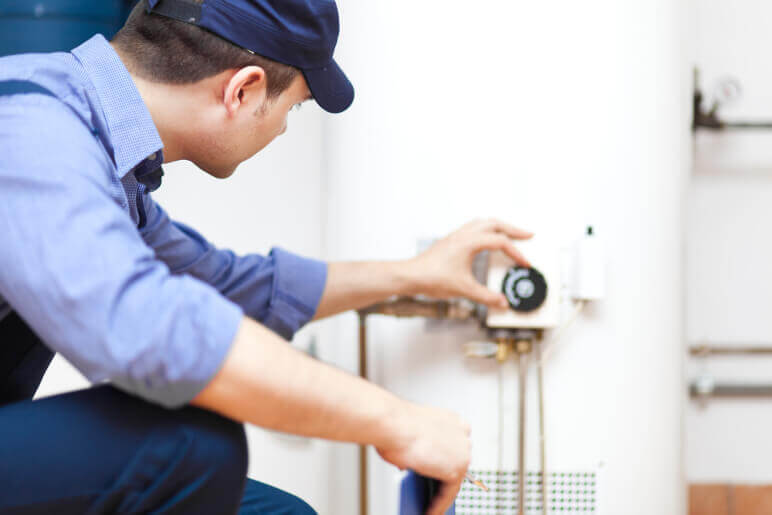
When it comes to water heater repair, one of the best reasons to hire a professional is that you can save money on your water and energy usage. Heaters that do not work efficiently require more energy to heat water.

This, in turn, results in a greater energy use than is necessary. For your tap water to reach the temperature that you desire, you will have to leave it open for much longer.

You will have higher energy and water bills by the end of the month if you combine these two factors.

2. Professional Service

In turn, you should receive professional-level water heater repair services since you are paying for them. It pales in comparison to professional repair services even if you think you know how to fix a water heater.

A professional water heater expert can guarantee that the process will be safe from start to finish when they take on the job. Professionals are equipped with the necessary expertise, safety equipment, and tools to do the job.

In addition, water heater problems can be handled by a professional. He will perform a thorough inspection to identify the problem. He will then carry out the necessary steps to restore your heater’s functioning.

A professional can also determine if your old heater needs to be replaced. They will search for the best solution to solve the problem quickly.

3. Cost-Effective Solution

Hiring a professional is not just about fixing the problem quickly. Hiring a professional is not only a faster option, it is also a more cost-effective one.

Despite the fact that DIY might seem like a cheaper option, hiring a professional can save you money in the long run. You have a high chance of making a mistake if you fix your heater yourself.

Some mistakes are more costly than others.

4. Seamless Installation

In some cases, a water heater needs to be replaced. If you recently purchased a new home, perhaps you need to install one. If you want a reliable water heater installation, a professional can help.

Water heaters involve a number of complexities. The plumbing fixtures and wiring are different. It requires specific tools, knowledge, and expertise to install one.

5. Quality and Consistent Water Supply

You ensure your family gets a steady supply of hot water by hiring a professional. Your hot water is also of a high quality and safe.

When you hire a professional technician to repair your water heater, you can rest assured that it will work properly once more. Your home will be heated to your liking once again.

Winter is a critical time for this.

6. Reliable During Emergencies

Being without hot water when you need it most is one of the worst things you can experience. You can enjoy emergency service when you hire a reputable water heater expert.

We can have the expert at your house in just a few minutes. Your heater can be repaired by him, and you will have hot water again soon.

7. Warranties and Insurance

Last but not least, hiring a professional ensures your water heater’s warranty is not voided. There is a warranty on most water heaters. The warranty will be void if you attempt to fix it yourself or hire a person who does not have a license.

The warranty will not be voided if you hire a licensed and insured water heater expert.

6 Signs You Need Water Heater Repair

Signs of Needing Water Heater Repair

A deteriorating water heater doesn’t seem like a big deal until you have to take an ice cold shower. The water heater is constantly working round the clock, every day throughout the year.

Considering the increased amount of stress it has to endure, it’s no surprise that it is bound to break down at some point. Once nothing but cold water is coming out of your taps and your showers, it suddenly strikes you just how important this appliance is.

Water heater repair is important. Here are 6 signs you should look out for in a malfunctioning water heater.

1. Irregular Water Temperatures

Do you notice that sometimes your water comes out as hot as you need it yet other times it comes out lukewarm or even cold? Fluctuating water temperatures is a good indication that something is wrong with your heater.

Ask a professional to come and have a look at what the issue could be. Try also to remember when you first bought the water heater.

If it is relatively new, you can have it repaired but if it’s too old, you are better off replacing it with a new one. This saves you the time, money and stress of having to fix the appliance multiple times.

What causes the water heater to lose heat? The most common reason behind this issue is the accumulation of mineral deposits. Mineral deposits build up over time and cover your water heating elements keeping them from working as needed.

When only the water elements are faulty you can have them repaired or replaced instead of buying another whole new water heating system.

2. Discoloration of Water

It goes without saying that the only water that comes out of your tap should be colorless. It may seem hazy sometimes due to high pressure but should turn colorless once the pressure is even.

If you notice that the water coming out of your taps is brownish, rusty or has some little dark particles, your water heater is to blame.

Owing to sedimentation, water changes color and comes out brownish. If this is the case, you could be facing a serious health hazard in your home.

Ask a qualified water heater professional to come to clean the hot water tanks or leave the water running to see if the water color changes back to colorless.

If this doesn’t work, it could mean that your tank is rusty.

3. You Run Out of Hot Water Too Fast

The water heater is designed to keep your water hot and ready for use throughout. It has two heating elements one at the bottom and one at the top. At any one time, a water heater has gallons upon gallons of hot water inside.

Should you run out of hot water in times of need, then one of your water heating elements isn’t working.

4. Funny Noises Coming from the Tank

As the heating system ages, it starts with a mild buzz and slowly grows on to become rumbling sounds. Many distraught homeowners assume that their water heater is about to burst. But this isn’t the case at all.

It’s perfectly normal if your water heater makes a little noise. But if the noise becomes loud banging, popping or cracking sounds then you have a good reason to raise concern.

To know what the issue could be, contact the repair professionals and have them come check your water heater out.

In many cases, a water heater becomes noisy when there’s too much accumulation of mineral deposits inside the tanks and onto the heating elements. Other reasons could be that the water heater has a broken dip tube causing cold and hot water to mix.

Too much noise may also weaken the structures of your water heater causing it to become weak and to start leaking. This means that you’ll have to buy a new water heater.

But if yours hasn’t started leaking yet, you can have the repairman flush all the water and have them thoroughly clean the inside areas of your heater. This is the only way to stop the noises and have it working again.

5. Signs of Corrosion

Often, corrosion on your water heater means that you should get a new unit installed. You can tell that your water heater has corrosion or rust if it shows on the outside, or if your water is discolored and brown.

But what happens if the problem is only partial?

Some people make it work by having the heat exchanger and other rusty parts replaced. But this is only a temporary solution that gives you time to raise the money needed to purchase another heater.

Water heaters are designed to serve you for an average of 8 years to 12 years. If you want to get more out of it, it is crucial that you have it maintained and cleaned on a regular basis.

6. Leaking Water

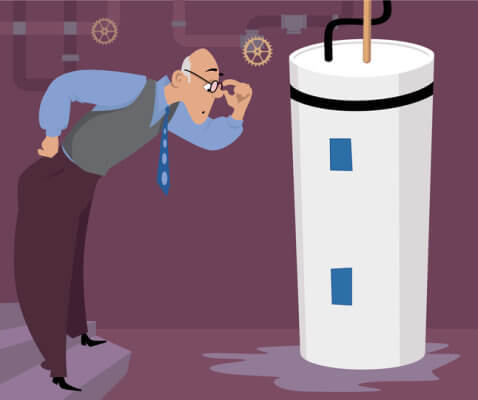
Apart from noise, there are other reasons that can weaken the structure of your water heater causing it to leak. This leads to water pooling around the bottom of the tank.

Besides this being quite dangerous especially if you have pets, small kids and other electrical appliances around the area. It could also cause corrosion to occur which could eat into the outer parts and make its way to the inside areas of your water heater.

If you notice that your heater has a leak, have it repaired before it causes more problems.

How to Handle a Broken Water Heater in Your Home

Water heaters tend to last around 10-15 years if properly maintained, but they can show signs of wear long before they actually break. If you start to notice leaking around the lines, it could cause damage to your flooring and drywall as well as cause the water heater to fail. Rust and sediment can also settle in the bottom of the water heater causing the water heater to fail, or you may have the wrong size causing the unit to burst without warning. Whatever the case may be, if your water heater breaks here are some tips on what to do next.

What to do When Your Water Heater Breaks

Water Heater Illustration
  • Turn off the Water – Turn off the water valve on your water heater. If it won’t turn off, shut off your home’s main water supply. If your water heater has burst, locate the cold water supply pipe leading from your home’s main water line into the top of the water heater. Turn off the cold water supply line by turning the valve clockwise. This stops the flow of water filling the hot water heater.
  • Turn off the Power – An electric or gas heating element can pose new hazards if left running. It can stay hot long after water is out of the tank which wastes energy and could also start a fire. Locate and flip the breaker for your hot water heater on your breaker box. If your hot water heater is gas-powered, turn off the gas line leading into it and leave the house until the natural gas smell is gone.
  • Drain the Water Heater – Attach a hose to the drain valve at the bottom of your water heater’s tank. Run the other end of the hose to a lower area where you can drain dirty water without risking more damage. Open the drain valve and flip the relief valve handle to prevent a vacuum from forming while the water drains.
  • Rinse with Cold Water – After the water heater drains, open the water supply for a few minutes to flush any remaining sediment out of the water heater.
  • File an Insurance Claim if Possible – Take photos of any structural elements or furniture that were damaged to help your insurance company determine the cost to repair or replace the items. Use a wet/dry vacuum to remove water from the area around the tank. Run a dehumidifier or floor fans to help prevent the growth of mold. Contact your insurance agent and be sure not to throw away your hot water tank as the insurance adjuster will need to see it to determine the cause of the burst and whether the company will pay for damages. When the insurance adjuster visits your home to assess the damage, show the photos you took and be ready to answer any questions he or she might have.

The 5 Main Types of Plumbing Pipes for Your Home Plumbing System

different pipe systems are available for residential plumbing projects

1. PVC Pipes

Polyvinyl chloride pipes (PVC) are commonly used as part of a sink, toilet, or shower drain line. Its plastic tubing is ideal for this kind of usage because it protects the water from rust and corrosion better than other types of pipes. This capability also makes PVC pipe incredibly durable. Unless they are subject to some kind of damage, PVC pipes will last indefinitely.

PVC pipe is also able to handle high water pressure. This is why it can also serve as your home’s main water supply line. It is also a lighter-weight material, making it easier to work with than the more traditional galvanized steel piping options. PVC pipes contain a smooth inner lining as well, which protects against sediment buildup and makes them more resistant to blockages.

Drawbacks surrounding PVC pipe include limited size options, an inability to withstand hot water, and concerns over toxicity. Though PVC piping meets all standards set by the American National Standards Institute, there are concerns that it may introduce polyvinyl chloride chemicals into drinking water, potentially causing respiratory and reproductive issues. It is for this reason that some states have banned PVC plumbing pipes from transporting drinking water.

2. PEX Pipes

PEX, or cross-linked polyethylene, piping also refers to an affordable plastic tubing commonly used for water supply lines. Similar to PVC piping, it prevents rust or corrosion from leaching into the water.

Professionals remain drawn to PEX pipes because they are flexible and easy to weave through walls, ceilings, basements, and crawl spaces. At the same time, they’re strong enough to withstand the pressures of your water supply. Cross-linked polyethylene pipe is also color-coded for hot and cold water, making it easy for plumbers to identify and organize when on the job.

3.  ABS Pipes

Acrylonitrile butadiene styrene (ABS) pipe is similar to PVC pipes in nature but easy to identify based on their black color. Acrylonitrile butadiene styrene is also particularly resilient to cold temperatures. It is predominantly used for vent and drain lines.

Though this kind of plumbing pipe is easy to install, it can warp when exposed to direct sunlight. ABS pipes are also noisier than other types of plumbing pipes, causing disturbances among some homeowners.

4. Copper Pipes

Copper pipe has been a staple within the plumbing industry for decades. This type of plumbing pipe can last upwards of 50 years and is commonly found in sinks, showers, tubs, and other fixtures in new and old homes. Copper pipes remain popular among plumbers and homeowners alike because they are corrosion-resistant and best suited to protect the quality of the water.

different pipe sizes can be used for water supply lines

Copper pipes are able to handle high water pressure and are tolerant of both hot and cold water temperatures. It’s also able to be recycled, making it a somewhat environmentally-friendly option.

That said, are a few drawbacks to consider. Because it is so rigid, plumbers cannot use copper piping in tight spaces. It is also the most expensive type of plumbing pipe. As the price of copper continues to rise, so will the costs of any project involving copper pipe.

5. Cast Iron and Galvanized Steel Pipes

Cast iron pipe and galvanized steel pipe are rarely included in new construction, though they are commonly found in homes built in the early 20th century. Still, cast iron plumbing pipes are incredibly durable and remain in use for parts of water distribution systems today.

Cast iron pipes were typically used as sewer pipes or other drainage purposes. Their popularity largely stemmed from the fact that they are heat-resistant and reduce the sound of moving water.

Unfortunately, cast-iron pipe is prone to rust and corrosion. Over time, this will affect its ability to maintain a clean water supply. These types of pipes have largely been replaced by copper or PEX pipes in residential plumbing repairs.

3 Basic Factors To Consider When Buying New Plumbing Fixtures And/Or Materials

3 Basic Factors To Consider When Buying New Plumbing Fixtures And/Or Materials

admin • Dec 18, 2017

Just like in any other business sector, the plumbing industry is home to countless products and brands. And just like in every other manufacturing industry, all these brands vary in quality and cost. In the grand scheme of things, high quality plumbing products are expansive and vice versa. One of the most fundamental considerations when sourcing for any type of plumbing fixture, installation, or materials is the intended or expected site of installation or deployment. Plumbing products are created or produced from a wide range of raw materials. In addition to quality, cost, and installation/application, you should also consider the environmental friendliness or eco-friendliness of any plumbing product. The following discussion focuses on the three major decision factors for all plumbing purchases and plumbing upgrades.

Cost Vs Quality

The cost of most plumbing installations and materials is very much dependent on their quality. As such, you should always consider and evaluate the quality of any item in relation to its cost. The quality of most plumbing products is easily discernible from its warranty guarantee, its regulatory approval and certification, particularly by mandated government organizations like the Environmental Protection Authority (EPA), and the general brand reputation.

Although professional companies offering Fredericksburg emergency plumbing services will help resolve any hitches in your plumbing system following the installation of low quality plumbing components, you will end up incurring service charges because of bad purchase decisions. As such, you should always try to achieve some balance between the cost of a particular plumbing product and its quality to enhance its functionality and longevity.

Site Of Installation Vs. Construction/Composition

The functional suitability and overall longevity of a given type of plumbing component depends on its material or bodily makeup/constitution. The item’s physical construction is also an integral factor in the computation of its price. For instance, plumbing pipes are mainly produced from either metal, plastic polymers, or concrete. Polyvinyl Chloride or PVC (plastic) pipes are relatively cheap as compared to the other two types. They are also quite strong, durable, and versatile in design and installation. For outdoor plumbing needs, you should choose hardy fixtures, and materials that are not easily corroded and those that can withstand harsh weather and environmental conditions. Specialized plumbing installations like water heaters should be outfitted with insulated pipes, which are capable of carrying very hot water without being damaged.

Environmental Friendliness

In order to promote environmental conservation/preservation, you should do your best to curb resource wastage. This means that you should always go for plumbing installations, fixtures and appliances that are energy and water efficient. Energy efficient plumbing products prevent energy loss or wastage and you can easily pick them out by looking for the Energy Star certification mark of EPA. Same case with water efficient plumbing fixtures and appliances; they are all certified and marked by EPA. In some cases, Eco-friendly plumbing materials are recycled or made from recycled compounds. You should adopt stringent green measures, such as an unwavering preference for nonpolluting plumbing products to reduce your carbon footprint. In addition to ensuring minimal resource loss in your plumbing system, eco-friendly systems are also supposed to protect you from unprecedented system faults or breakages. In other words, all your plumbing products must be of exemplary quality to ensure optimal performance. Low quality plumbing installations can malfunction any time leading to unprecedented system faults. Additionally, system defects like leaking pipes cause water loss and leaking sewer systems causing hazardous waste spills and pollution, thereby undermining your environmental conservation/preservation efforts

How to Choose a Plumber for Your Home Plumbing Needs

Plumbing issues can be quite troublesome and, if left unattended, can lead to costly damages to your home. Hiring a reliable and skilled plumber is crucial to maintaining a fully functional and safe plumbing system. But with so many options out there, how do you choose the right one? In this article, a professional plumber from The Cajun Plumber will guide you through the process of selecting a plumber for your home plumbing needs.

  1. Gather Recommendations and Research Online

Start by asking friends, family, and neighbors for recommendations. Personal referrals can be a reliable source of information, as people usually share their experiences, both positive and negative, with particular plumbers or companies. Online reviews on platforms such as Google, Yelp, and Angie’s List can provide valuable insights into the quality of work and customer service provided by local plumbers. Keep in mind that while one or two negative reviews should not deter you, a pattern of negative feedback is a red flag.

  1. Check for Proper Licensing and Insurance

In most regions, plumbers are required to hold a valid license to practice their trade. Before hiring a plumber, verify that they have the necessary licensing, which indicates that they have met the required education and training standards. Additionally, a licensed plumber is more likely to be familiar with local building codes and regulations.

Insurance is another essential factor to consider. A reputable plumber should have both liability and workers’ compensation insurance to protect both you and their workers in case of accidents or damages during the project. Ask for proof of insurance before signing any contracts.

  1. Look for Experience and Specializations

Experience is crucial when it comes to plumbing work. A plumber with several years of experience is likely to have encountered a wide range of plumbing issues and will be better equipped to handle any unexpected complications that may arise during the project. Make sure to ask how long they have been in business and about their experience with projects similar to yours.

Some plumbers may also have specializations in specific areas, such as repairing water heaters, installing gas lines, or handling complex sewer problems. If your project requires a particular expertise, it’s essential to choose a plumber with the relevant experience and training in that area.

  1. Request Multiple Quotes

Obtaining multiple quotes from different plumbers allows you to compare prices, services, and timelines to make an informed decision. While the cost should not be the sole determining factor, a reasonable and transparent quote can help you avoid potential hidden fees or unexpected charges. Be cautious of any quotes that are significantly lower than others, as this may indicate a lack of experience or poor-quality workmanship.

  1. Assess Communication and Professionalism

Good communication and professionalism are vital aspects of a successful plumbing project. Pay attention to how promptly the plumber responds to your inquiries and whether they are courteous and respectful. A reliable plumber should be willing to answer your questions, explain their recommendations, and provide clear information about the project’s scope, cost, and timeline. Professionalism also extends to the plumber’s appearance and punctuality, as well as the cleanliness and organization of their workspace.

  1. Verify References and Ask for a Written Contract

Before making your final decision, ask the plumber for references from recent clients. Speaking with past customers can give you an idea of the quality of the plumber’s work and their level of customer satisfaction. Finally, insist on a written contract that outlines the project’s scope, materials, timeline, and payment terms. A detailed contract can help protect both you and the plumber and minimize potential disputes.

Conclusion

Choosing a plumber for your home plumbing needs is a critical decision that can impact the safety and functionality of your plumbing system. By following the steps outlined in this article – gathering recommendations, checking for proper licensing and insurance, looking for experience and specializations, requesting multiple quotes

The Advantages of Hiring Plumbing Contractors

“Why should I hire licensed plumbing contractors when I can get it done cheaper?”

This is a question that we’re asked frequently.  But if you’ve turned on your faucet today and clean water has flowed, or if you’ve flushed your toilet and it didn’t back up, then you thank a licensed plumbing contractor.

Often people believe that they can save money by cutting corners and either doing their own plumbing, or hiring an unlicensed handyman.  And, quite honestly, sure…that IS something that you can do, however, here are five reasons to consider hiring a plumbing contractor:

1.  They are licensed.  The Florida Plumbing Contractor licensing process is so rigorous that only 30% of people taking the exam pass the first time.  There are two parts to the exam (business and finance and trade).  In addition to passing the exam, licensees must submit a personal credit report with a net worth of $2,500-20,000, depending on the classification.  As licensed plumbing contractors, All American Plumbing Services has the training and experience necessary for basic repairs, reconstruction and new construction.

2.  They are experienced.  Florida plumbing contractors must document at least 4 years of prior experience, as well as taking and passing continuing education classes throughout their careers.  This means that we’re up to date with the codes necessary to keep you safe and do the job right.

3.  You’re protected.  By hiring a licensed professional, you can be assured that certain legal and financial standards are maintained.  For instance, in order to be licensed, each candidate must pass a criminal background check.  Additionally, a minimum of $100,000 worth of bodily harm insurance and $25,000 worth of property damage must be carried by all licensed plumbing contractors.

4.  Legalities.  Most plumbing work is required by law to be done by a licensed professional plumber.  If you hire someone who isn’t, not only are you risking shoddy workmanship, but depending on the situation, you could be creating a dangerous situation for yourself and those around you.

5.  Your insurance might not cover unlicensed work.  Using someone who’s not licensed could void your insurance policy.

These 5 reasons for hiring a licensed plumbing contractor give you a peace-of-mind knowing that you are protected from a legal or insurance fiasco. In addition, knowing that you have built a relationship with a credible, experienced and dependable plumber to take care of challenging or simple plumbing situations when they arise is priceless. So go ahead and buy the generic peanut butter, toilet paper or soda, but don’t skimp-out on who takes care of your plumbing no matter how nice the handyman down the street is to you.